
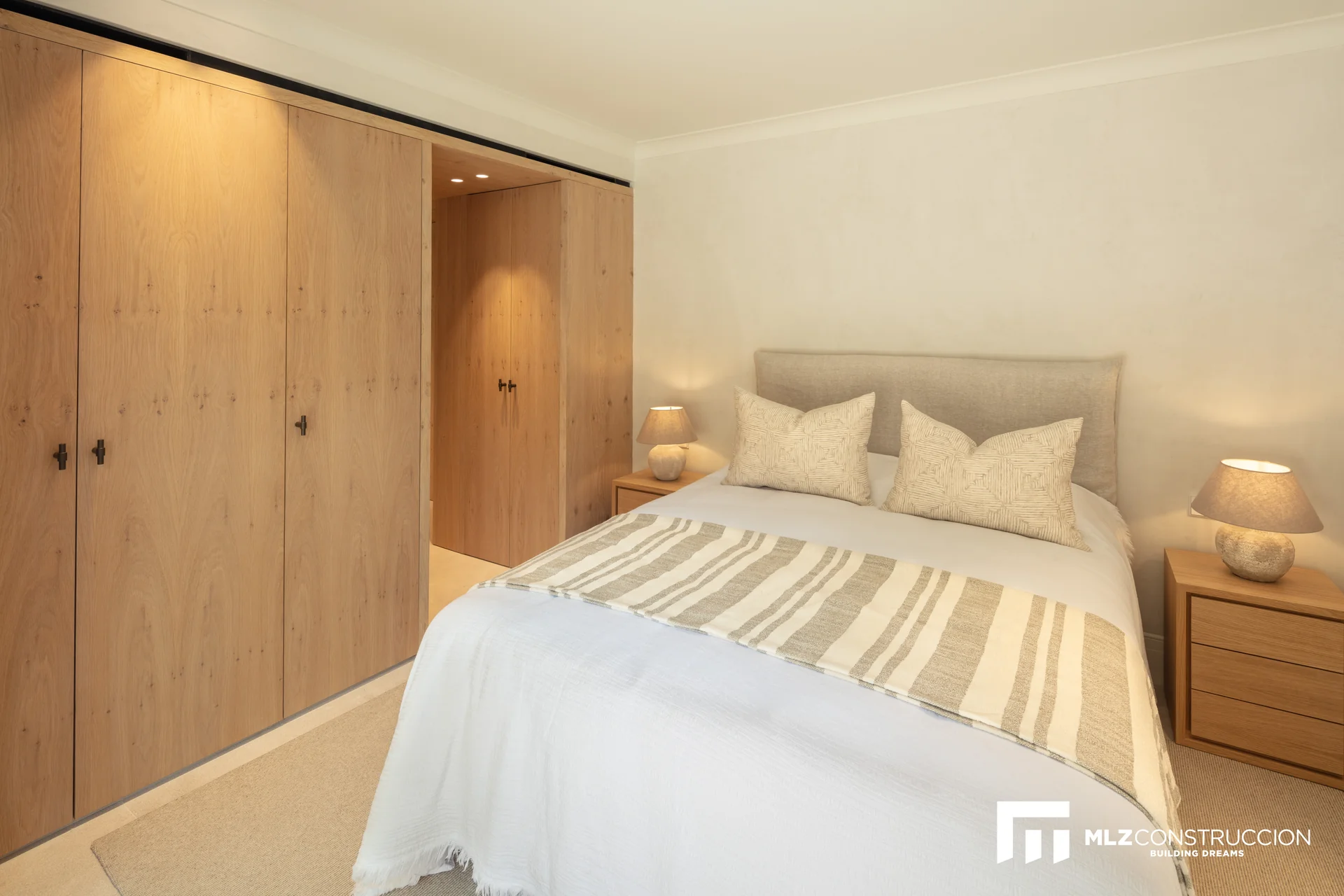
A door that catches, a socket that does not work or an unfinished joint may seem like minor details. Even so, it is advisable to identify them before you start using the property, bring in furniture or cover certain surfaces.
Receiving the keys to a newly built home is one of the most eagerly awaited moments of any project. After months of decisions, meetings and monitoring the construction work, it is only natural to want to move in as soon as possible. However, before accepting the handover, it is important to stop and check that the property is complete, that its systems are working correctly and that the finishes match what was agreed.
Why it is important to inspect a property before accepting the handover
A new-build property undergoes technical inspections throughout the construction process, but the final inspection serves a different purpose. It allows the property to be checked from the point of view of the person who will use it and helps identify issues that only become apparent when the work is almost complete.
During this visit, both the visible elements and the overall operation of the systems should be checked. It is also the right time to confirm which works are fully completed, which require a final adjustment and what documentation must be provided to the owner.
It is advisable to carry out the inspection in good lighting, without rushing and always following the same order. In larger properties, such as villas or detached houses, it may be useful to divide the inspection by floor, room, system and outdoor area.
Take a checklist and record any issues
Before starting, prepare a list of the elements you want to check. This prevents you from relying on memory and helps keep the inspection organised.
It is also advisable to bring:
- The project documents or available plans.
- The schedule of specifications.
- A copy of any changes agreed during the construction work.
- A mobile phone for taking photographs.
- Paper and a pen or an app for recording issues.
- A small charger for testing some of the sockets.
- A tape measure when specific dimensions need to be checked.
Each observation should be described clearly, indicating the room and the exact location. Instead of simply writing “paint defect”, it is more useful to write “small area of chipped paint on the left-hand wall of the main bedroom, next to the window frame”.
Inspect walls, ceilings and paint finishes
Look at walls and ceilings in natural light to identify stains, chipped areas, colour differences, cracks or unfinished sections. Pay particular attention to corners, skirting boards, frames and junctions with fitted furniture.
A small mark may only require touching up, but a crack, a persistent stain or a sign of damp should be inspected to identify its cause.
Check flooring, wall coverings and joints
Check that the floors have been properly laid and are free from breakages, stains, scratches or visible unevenness. On ceramic or stone flooring, check the alignment, joints and cuts around columns, doors or installations.
On wooden flooring, make sure there are no raised boards, unusual gaps or movement when walking over it. Also inspect the tiling in bathrooms and the kitchen, particularly in corners, recesses and junctions with sanitary fittings or worktops.
Open and close doors and windows
Check that doors do not catch and that handles, locks and hinges operate smoothly. Windows should close correctly, without gaps or the need to use excessive force.
Also inspect the glazing, shutters, motorised blinds, frames and exterior seals. When building homes near the sea, the quality and protection of the joinery are particularly important due to humidity and salinity.
Inspect wardrobes and interior joinery
Open wardrobes, drawers and units to check that they are aligned and operate without sticking. Inspect handles, hinges, shelves, internal rails, finishes and closing mechanisms.
In the kitchen, check the alignment of the units, the condition of the worktop and the sealing around the sink. If appliances are included, confirm that they are the models agreed.
Check taps, sanitary fittings and drains
Turn on all the taps and check the water pressure, temperature and drainage. Make sure there are no leaks, that the toilets operate correctly and that the sanitary fittings, shower screens and joints are properly secured and sealed.
In showers, terraces and utility areas, check that the slopes direct water towards the drains. Whenever possible, carry out a water test.
Inspect the electrical installation and lighting
Switch on the lights, operate the switches and test the accessible sockets. Also inspect the electrical panel, exterior lighting, video intercom, data points, motorised blinds and automatic doors.
When building smart homes, the handover should include a practical demonstration of the home automation system, together with the passwords, apps and instructions required to control it.
Test the air conditioning and hot water
Switch on the systems and check that they respond to the thermostats, that they do not make unusual noises and that each area can be controlled correctly.
For aerothermal systems, underfloor heating, mechanical ventilation or solar panels, ask for an explanation of their operation, configuration and maintenance. The owner should know how to use them efficiently.
Look for signs of damp or water ingress
Inspect ceilings beneath terraces, window junctions, underground walls, basements, garages, bathrooms and walls next to gardens.
Stains, blistering paint, a damp smell or salt deposits may indicate a problem. It is advisable to establish whether the cause is water ingress, a leak or condensation before applying a solution.
Check terraces and outdoor areas
Inspect flooring, slopes, drains, seals, railings, lighting, taps, electrical points, irrigation systems, gates, walls and enclosures.
On ramps and access areas, check water drainage, the condition of the grilles and ease of manoeuvring.
What to check in the swimming pool
Inspect the lining, coping, joints and the elements surrounding the pool. Check that the water circulates correctly and that the equipment does not make unusual noises.
Also inspect the skimmers, overflow channels, return jets, lighting, pumps, filtration system, control panel, outdoor shower and cover, where applicable. Request instructions on how to operate and maintain the equipment.
Inspect the garage, basement and plant rooms
In the garage, check the automatic door, lighting, sockets, slopes and drainage grilles.
In the basement, pay attention to ventilation, smells and possible signs of damp. Plant rooms should be tidy, clearly labelled and have sufficient space for maintenance work to be carried out.
What documentation should be provided with a new home?
The physical handover of the keys should be accompanied by the documentation relating to the project. Its contents may vary depending on the type of property, the systems installed and the applicable administrative procedures.
The documentation provided may include:
- Final works certificate.
- Documentation relating to the completed works.
- Building Manual.
- Operation and maintenance manuals.
- Instructions for the installed equipment.
- Manufacturer warranties.
- Installation certificates.
- Energy performance certificate.
- Documentation relating to occupancy or use.
- Keys, remote controls, codes and digital credentials.
- A list of installation companies and technical support services.
The Spanish Building Act establishes that the documentation relating to the completed works must be incorporated into the Building Manual and handed over to the end users. In addition, the acceptance of the works between the developer and the contractor must be formalised through a certificate in which any relevant reservations may be recorded.
In Andalusia, the procedure relating to occupancy or use may depend on the type of development and the applicable regulations. The specific documentation should therefore be confirmed with the project management team and the relevant local authority.
A well-planned handover is also part of good construction
The quality of a property does not depend solely on its materials or design. It is also reflected in the way the work is completed, each space is inspected, final adjustments are resolved and the owner is provided with all the necessary information.
For this reason, the final inspection should not be treated as a rushed formality. It is the final check in a process that began much earlier, from defining the project and selecting the materials to coordinating the different trades.
At MLZ Construcción, we approach every project with technical planning and continuous monitoring of the work. Our experience in the construction of villas, detached houses and high-end homes allows us to take care of both the structural elements and the finishes and details that the owner will use every day.
If you are considering building a home in Marbella, Estepona or anywhere on the Costa del Sol, working with an experienced construction company from the earliest decisions makes it easier to manage the project and reach the handover stage with greater confidence and peace of mind.
At MLZ Construcción, we take care of both the visible finishes and all the elements that ensure the property functions correctly in the long term. If you are planning the construction of a villa in Marbella, Estepona or anywhere on the Costa del Sol, we can help you develop a solid, efficient project completed with close attention to detail.
Tell us about your project and we will work with you to determine the best way to bring it to life.